

This can be a very big subject, but keeping it to a few key points here are a few guidelines.
When it comes to colour it is good to find combinations that work well or complement each other rather than clashing. Some say blue and green should not be worn together or pink and orange. But blue or teal and orange or green and red go well.
The way you can tell is to look at a colour wheel. Colours that complement each other are opposite each other and are either across the wheel from each other or adjacent to each other. Hence the teal and orange. But colours that are adjacent but skip a colour tend to fight each other, such as orange and purple.
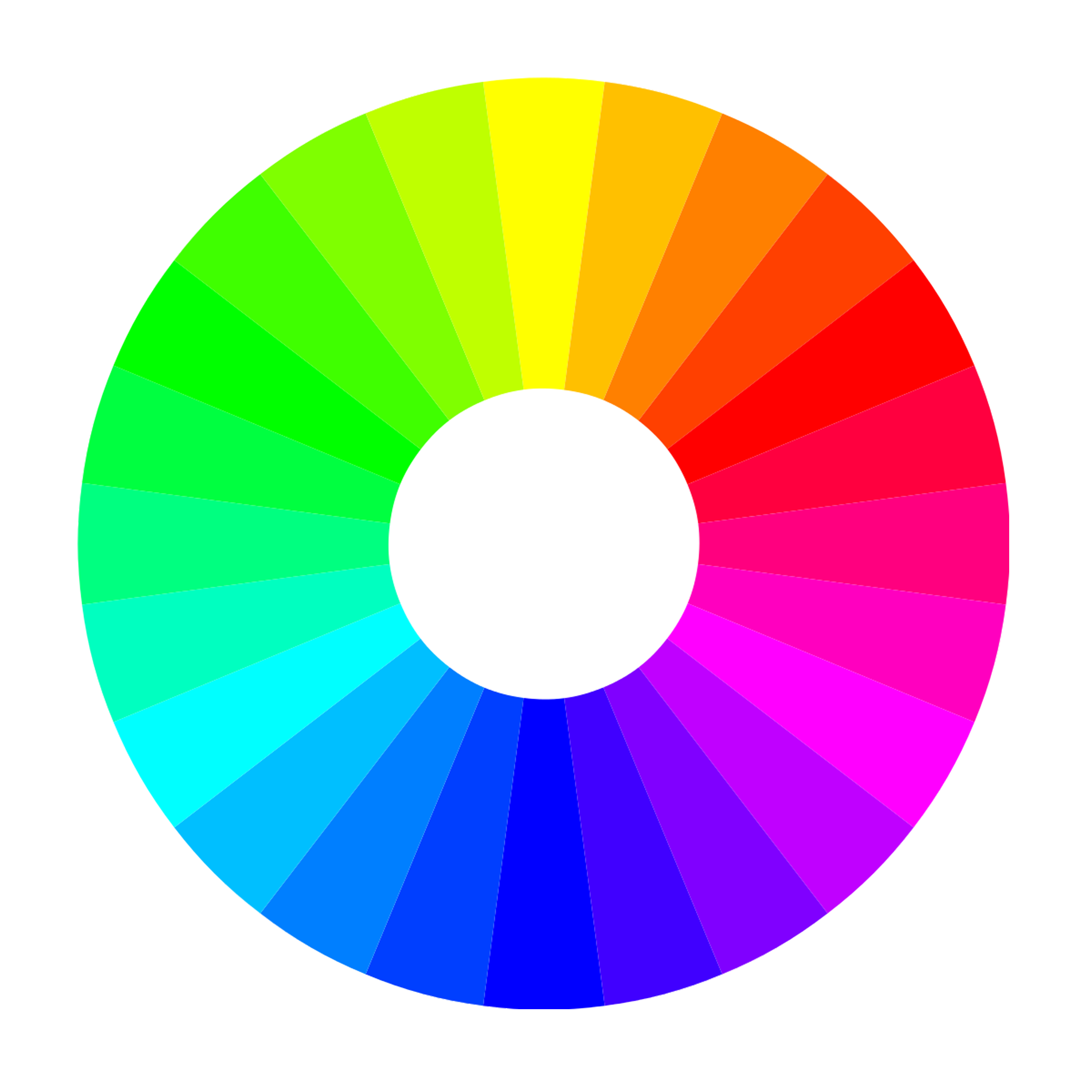
Colour Wheel
This helps when mixing colour in our outfits but it also helps when compared to our skin colour. So when choosing outfits that work well and help our skin to stand out we need to understand our skin colour.
How to tell skin tone colour
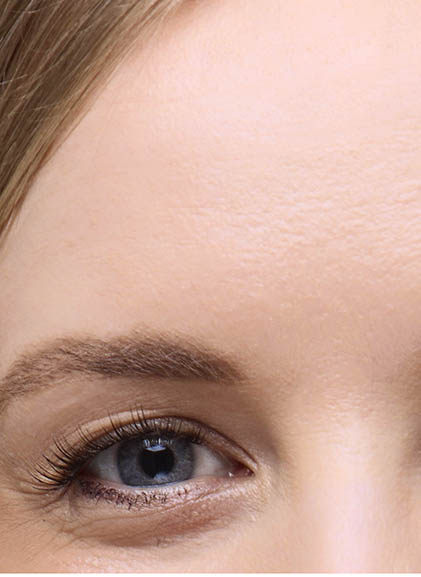
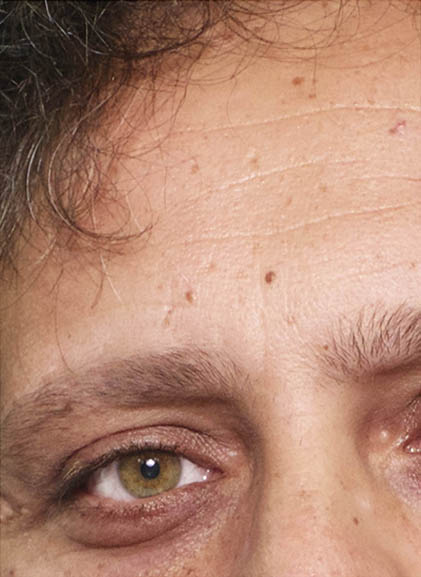
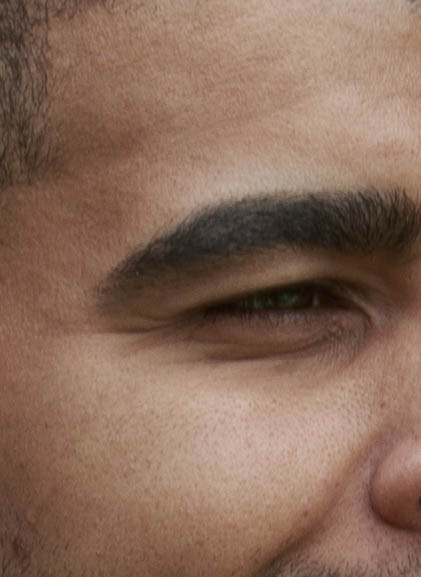
Skin tone should to be determined in a natural light which is ideally daylight.
The simplest way is to hold up a piece of white paper next to your face and look to see whether the skin is slightly towards a pink / blue or towards yellow/green.
You can also look at your veins blue will be cooler and green will be warmer.
Another way to tell which you are is to see how gold or silver jewellery looks next to the skin. Gold will suit the warmer tone and silver the cooler tone.
Experts generally suggest our skin colour falls into three undertone categories:
Cool – This is tending to rosy pink and blue. Slightly reddish to pink skin from blood vessels and blue from veins. ie strawberry ice cream.
Warm – A golden/yellow like a sunset with a greenish/olive tone and greenish veins.
Neutral – A mix of cool and warm. Veins appear bluey/green and skin a yellowy/pink.
What about pale skin or very sun tanned or dark skin? The undertone tone warm or cool is determined by the melanin pigments in the skin which is mostly a genetic factor and not the darkness or lightness on the skin surface. So everyone has a natural skin undertone colour regardless of whether they have dark or light skin.
Have you noticed how a tanned skin can vary in colour across different people. With suntan this is mostly affecting the surface and not the underlying pigment.
Once you have determined your skin undertone then you can choose which colour clothes will be most flattering.
Colours to wear
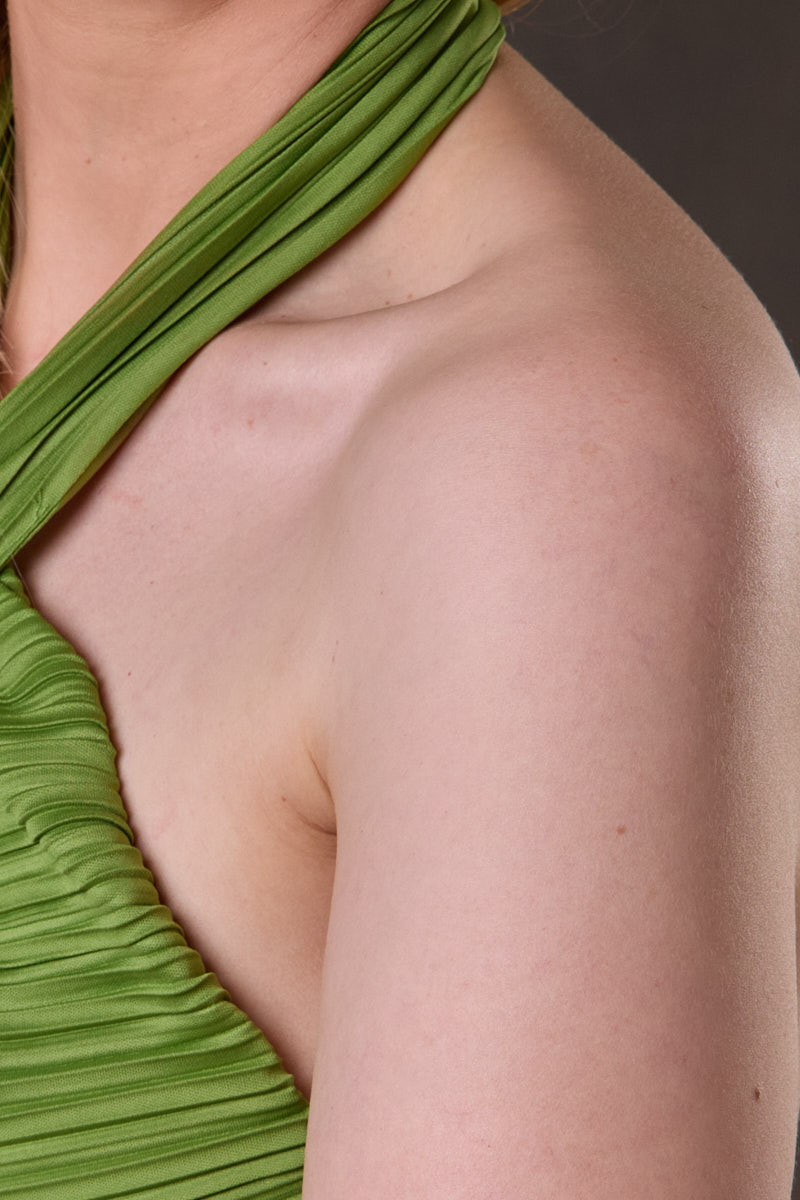
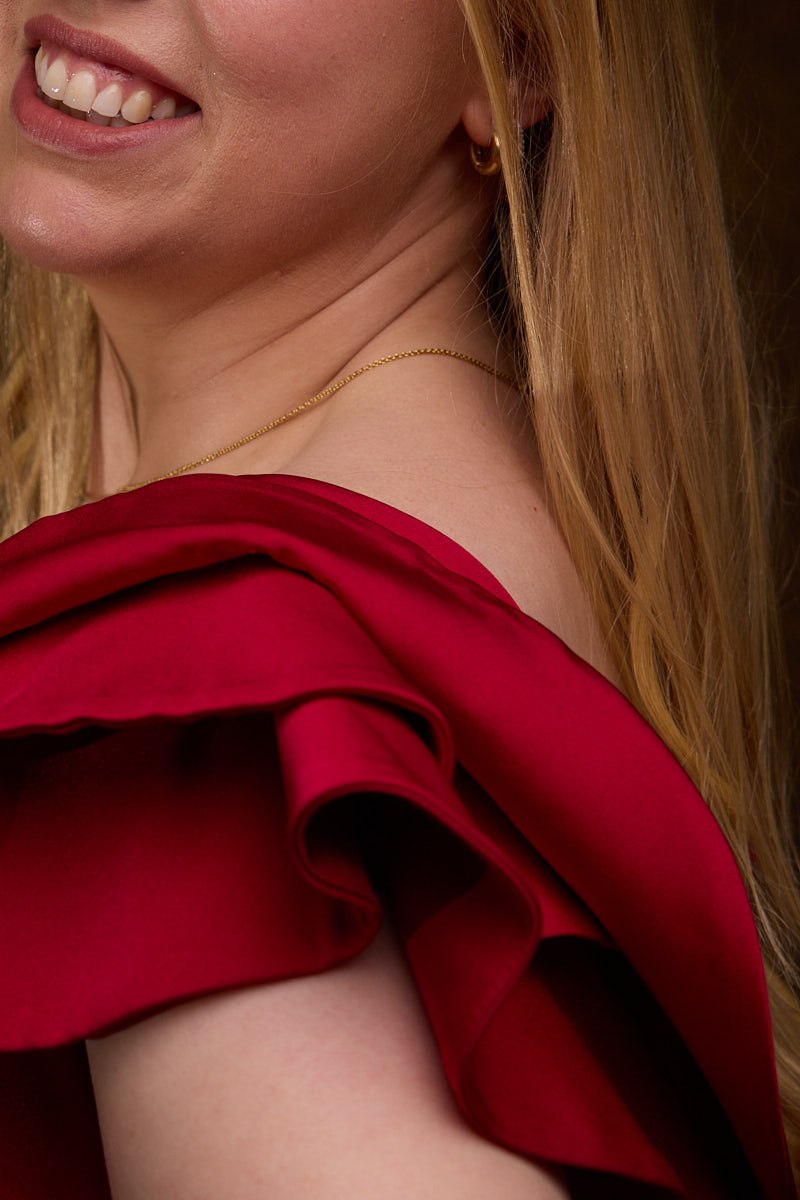
For cool tone – head for the cooler purple light blues (sky), light greens (grass), pink but the pastel shades which are your friend. Bright oranges and yellows may fight for dominance over your skin tone and are best avoided. If brunette and brown eyes the darker blues and purples go well.
Welcome colours are: Plum, fuchsia, royal blue, burgundy, emerald.
For warm tone – go to the warmer tones of reds, oranges, earthy and autumn tones.
Welcome colours are: Gold, orange, rust, yellow, grass green.
For neutral tone – go for the middle region of the spectrum from more rose, brown, and neutral grey works well.
Welcome colours are: Black, grey or white, dark brown, camel, navy blue, olive, or ivory.
This spectrum of visible light ranges from the so called warmer tone on the left to the cooler on the right.

Implied Meaning and emotion of colour
Along with finding colours that complement our skin colour they often have meaning that spark our emotions.
Colours are often given meanings to symbolise an emotion of evoke a feeling. Take the warm glow of a fire symbolising a cosy space in winter, or the blue hues for the dark tones in a scary movie.
Here are a few examples:
Red –
+ Power, Love, strength, excitement
– Anger, Warning, dangerOrange –
+ Energy, Warm, Friendly, Courage
– Ignorance, Frustration, sluggishness
Yellow –
+ Happy, Sunny, Creative, Intelligence
– Fear, Anxiety, Unstable
Green –
+ Freshness, New, Healing, Nature
– Bland, Envy, Bored
Turquoise –
+ Spiritual, healing, calm
– Envy, secrecy, boastful
Blue –
+ Loyal, trustworthy, secure
– Cold, uncaring
Purple –
+ Luxury, wisdom, spiritual
– Mysterious, decadent, inferior
Magenta –
+ Innovation, Passion
– Eccentric, outrageous
Brown –
+ Friendly, conservative, serious, authentic
– Unsophisticated, dogmatic
Black –
+ Dramatic, Elegance, Authority
– Death, evil, oppression
Grey –
+ Intelligence, Reliable, solid
– Sad, depressive
White –
+ Pure, innocent, clean
– Sterile, cold, empty
Whether or not you agree with these meanings or indeed whether they relate to your personality is another subject.
However, you might observe that different cultures have views on colour, but they don’t take into account skin colour. Take a wedding dress. In western society brides tend to wear white a suggestion of purity and innocence. Whereas in Asian culture they tend to wear red as a symbol of good luck and prosperity. They also associate white with mourning.
Another example, in the christian church the bishop is symbolised with purple or the saffron robes of a Buddhist monk.
Choosing what colour to wear
Once you have identified your skin colour then you can choose clothes that will complement your natural appearance.
What shade of clothes should you wear for a Headshot?
The shade of clothes should generally be darker than your skin colour. The aim for a headshot is to show your personality not your clothes.
So your skin should be brighter than the clothes. This because visual attention goes to the brightest part of an image. With a headshot that should be your face.
In addition to considering the colour of your skin when choosing clothes it is also good to consider your brand colours.
Choosing a colour that complements your brand colour and your skin would be a real bonus. Brand colours can either be just a logo on a polo shirt or a background colour if the headshot is to be cut out and used on a website or a book etc.
Most importantly it’s to get a great headshot of you. So focus on what works for you as the whole purpose for a headshot is to promote you, to make you appear welcoming, friendly and trust worthy.